Avoid These 6 Common Mistakes with Your KiwiSaver First Home Withdrawal
KiwiSaver First Home Withdrawal: 6 Mistakes That Could Delay Your First Home
Key Takeaways
- Successful KiwiSaver withdrawals require a lead time of four to six weeks before settlement.
- Eligibility depends on being a member of a KiwiSaver scheme for at least three years.
- A minimum balance of $1,000 must remain in your KiwiSaver account after the withdrawal.
- Previous home ownership, including property owned overseas, can impact your eligibility.
- Early communication with your property lawyer ensures all documentation meets provider requirements.
Using KiwiSaver to buy your first home is a primary strategy for many New Zealanders. It has become a mainstream part of the property journey. According to data from MoneyHub, in the 2024 to 2025 financial year, approximately 43,600 people used a KiwiSaver first home withdrawal to get onto the ladder. This added up to a total of about $1.9 billion in funds. With the average first home withdrawal sitting at around $42,000, the stakes are incredibly high. If a mistake happens during the application process, it can jeopardise your ability to settle on time or even cause the deal to fall through entirely.
We see these funds as a critical pillar of financial resilience for Kiwi households. Statistics from Inland Revenue show that by June 2025, $1.9 billion had been withdrawn for first homes in a single year, which is a massive increase from the $257.8 million seen in 2015. At ConveyOnline, we focus on making the legal side of this process as smooth as possible. We help you manage the paperwork so your funds arrive exactly when they are needed. In our experience, avoiding a few common pitfalls can make the difference between a stressful settlement and a celebratory one.

1. Applying Too Late in the Process
How long does it take to get your KiwiSaver out for your first home? Most people underestimate the timeline required for the bank and the KiwiSaver provider to process the request. You should apply for a first-home withdrawal at least four to six weeks before your settlement date. While some providers are faster, the standard processing time is often two to four weeks. If you wait until the week before settlement to start the paperwork, you risk a delayed settlement, which can lead to penalty interest or the vendor cancelling the contract.
The KiwiSaver withdrawal guide suggests that giving yourself a generous buffer is the only way to ensure peace of mind. When you consider that the average withdrawal is $42,000, missing a deadline is a very expensive mistake to make. We recommend talking to your KiwiSaver provider as soon as you start looking at properties to understand their specific requirements and timeframes.
2. Misunderstanding the Three Year Membership Rule
Eligibility for a KiwiSaver first home withdrawal requires you to have been a member of a KiwiSaver scheme or a complying superannuation scheme for at least three years. A complying superannuation scheme is a workplace savings plan that has similar rules to KiwiSaver regarding withdrawals. If you have only been a member for two years and eleven months on the day you apply, your application will be declined. We have seen situations where buyers assumed they were eligible because they had been working for three years, but they had not actually joined the scheme until several months into their employment.
You can verify your join date by logging into your MyIR account or contacting your provider directly. If you have transferred from an Australian complying superannuation scheme, those funds are treated differently. You can generally use your KiwiSaver savings towards your home purchase, but the funds transferred from Australia must remain in your account until you reach retirement age. Understanding these nuances early helps you calculate exactly how much you can contribute to your deposit.
3. Failing to Leave the Required $1,000 Balance
A common misconception is that you can empty your entire KiwiSaver account to buy a home. The rules state that you must leave a minimum balance of $1,000 in your KiwiSaver account. This ensures your account remains open for future contributions and retirement savings. If your withdrawal application requests the full balance without accounting for this $1,000, the provider will adjust the amount, which might leave you short on your settlement funds.
Our detailed guide to using KiwiSaver for your first home deposit explains that you can withdraw your own contributions, employer contributions, the government contribution, and any investment returns. However, that $1,000 must stay put. We encourage buyers to check their total balance and subtract $1,000 when calculating their available funds for a home purchase.
4. Assuming Previous Ownership Overseas Does Not Count
The first home withdrawal is intended for people who have never owned a home or land before. This rule applies globally. If you have previously owned a home or land in another country, you are generally not considered a first home buyer. However, there is a "second chance" provision for previous homeowners who are now in a similar financial position to a first home buyer. This requires a specific determination from Kāinga Ora.
If you fall into this category, you must obtain a KiwiSaver first-home withdrawal determination from Kāinga Ora before you apply to your provider. This adds another layer of paperwork and time to the process. We suggest starting this conversation with your solicitor as early as possible. For more information on how we handle these complexities, you can view our house purchase conveyancing services, where we outline our fixed-fee structure for buyers.
5. Not Aligning KiwiSaver with Kāinga Ora Requirements
While the First Home Grant was discontinued in May 2024, many buyers still utilise the Kāinga Ora First Home Loan. This loan allows for a lower deposit, but it comes with its own set of eligibility criteria and documentation. A mistake we observe is buyers assuming that the KiwiSaver withdrawal and the First Home Loan are the same process. They are separate, though they often happen at the same time.
Data from the 2024 to 2025 financial year shows that while 43,600 people made first home withdrawals, many also had to navigate hardship withdrawals or other financial hurdles. In fact, hardship withdrawals (45,870 people) slightly outnumbered first home withdrawals by number during that period. This highlights how critical it is to have your financial ducks in a row. Our first home buyer blueprint provides a clear path for coordinating these different government-backed tools so you do not miss out on the support available to you.

6. Poor Communication with Your Property Lawyer
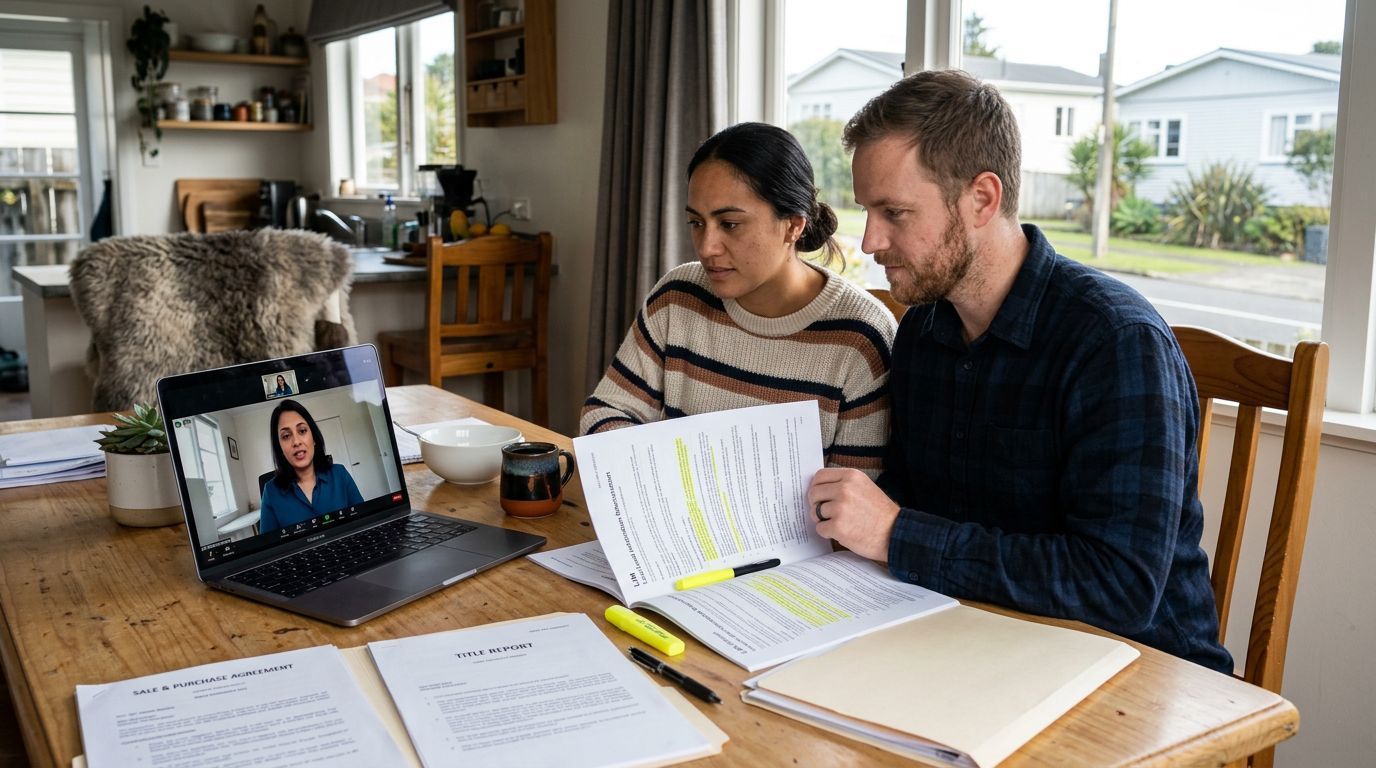
Your lawyer or solicitor is the one who must receive the KiwiSaver funds and hold them in trust for your settlement. They are also responsible for certifying your withdrawal application. A common mistake is not providing the correct documents to your lawyer early enough. Your lawyer needs the original application form, a copy of the sale and purchase agreement, and a solicitor's certificate. If there are errors in your paperwork, your lawyer cannot sign off on the application.
At ConveyOnline, we provide a transparent pricing model for these services. Our standard house purchase conveyancing starts from $1,799 inclusive (from $925 plus GST and disbursements). Because handling KiwiSaver funds involves additional legal steps and coordination with providers, we charge a KiwiSaver funds add-on of $300.00. If you are also using a Kāinga Ora loan or require specific grant handling, there is an additional $100.00 fee. We believe in being straight up about costs so there are no surprises at the end of your journey. By engaging us early, we can ensure your application is perfect before it reaches your KiwiSaver provider.
The Importance of Getting it Right the First Time
The sheer volume of people using KiwiSaver for housing shows how vital these funds are. Whether you are a teacher in Tauranga or a builder in Blenheim, your KiwiSaver is likely your biggest asset when buying a home. The process is unforgiving, and the rules are strict. If you provide an incorrect withdrawal eligibility letter or fail to meet the eligibility criteria, the delay can be devastating. We have seen how much stress a simple paperwork error can cause, and our goal is to eliminate that friction for you.
Treating the withdrawal as a professional project rather than a last-minute chore is the key to success. This means talking to your provider, checking your balance, and getting your legal team involved as soon as your offer is accepted. With the right preparation, you can focus on the excitement of moving into your first home rather than worrying about whether your money will arrive on time. If you are ready to start your journey, we are here to help you navigate the legalities of your KiwiSaver first-home withdrawal application with ease.
_Disclaimer: This article provides general information only and does not constitute financial or legal advice. You should consult with a qualified professional before making any financial decisions regarding your KiwiSaver or property purchase._