The Complete Guide to Discharging Your Mortgage in New Zealand
A Homeowner's Guide to Mortgage Discharge in NZ
Key Takeaways
- A mortgage discharge is the legal process of removing a lender's security interest from your property title.
- You need to discharge a mortgage when you sell your property, refinance your loan, or after you've fully paid it off.
- The process is handled by a lawyer or conveyancer who liaises with your bank and registers the change electronically.
- Costs include your lawyer's fee, a fee from your bank, and a land registration fee.
Whether you’re celebrating the final payment on your home loan or moving on to a new property, there's one last crucial step in the journey: the mortgage discharge.
It sounds technical, but it’s a standard part of property law in New Zealand. We've guided countless clients through this process, and our goal here is to demystify it for you. Think of this as a clear, straightforward chat about what happens, why it happens, and what you need to do to get it done.
What Exactly is a Discharge of Mortgage?
A discharge of mortgage is the formal, legal process of removing the mortgage from your property's title. When you first took out your home loan, the bank (the mortgagee) registered a mortgage against your property title as security. This gives them the right to sell the property if you fail to repay the loan.
Once the loan is repaid in full, that security is no longer needed. The discharge is the official act that removes the bank's claim, leaving you with a "clear" title. It’s the final piece of paperwork that confirms the property is 100% yours, free from the lender's interest.
Why Would You Need to Discharge a Mortgage?
In our experience, there are three main scenarios where a mortgage discharge is essential. Each one marks a significant milestone in your property ownership journey.

You've Sold Your Property
This is the most common reason we handle a mortgage discharge. When you sell your house, the buyer expects to receive a clear title, free of your old mortgage. On settlement day, a portion of the sale proceeds is used to repay your outstanding home loan balance. Once the bank receives this payment, we can proceed to discharge the mortgage. In our experience helping clients with their property sales across New Zealand, from Auckland to Wellington and Christchurch, this is a standard and non-negotiable part of the settlement process.
You've Paid Off Your Home Loan in Full
Congratulations! Making that final mortgage payment is a massive achievement. But here's something many homeowners don't realise: making the last payment doesn't automatically remove the mortgage from your title. The security remains registered until you formally instruct a lawyer to discharge it.
While there's no immediate requirement to act, we always recommend it. Having a clear title simplifies any future dealings with the property and gives you complete peace of mind.
You're Refinancing with a New Lender
Switching banks to get a better interest rate is a smart financial move. This process involves discharging your existing mortgage with your old bank and simultaneously registering a new mortgage in favour of your new lender. It’s essentially a swap. For homeowners who have already arranged their new finance with a bank or broker, our job is to manage this legal transaction. We've created an easy online process to handle the legal side, ensuring the old mortgage is discharged and the new one is registered correctly on the same day.
The Mortgage Discharge Process: A Step-by-Step Guide
While it might seem complex, the discharge process is a well-trodden path for any property lawyer. Here’s how we handle it on your behalf.
- Instruction and Authority: You give us the green light to act. We'll have you sign an Authority and Instruction (A&I) form, which gives us the legal authority to deal with your property title electronically.
- Lender Communication: We contact your bank to notify them of the upcoming discharge. We request a final repayment amount and their authority to remove the mortgage from the register.
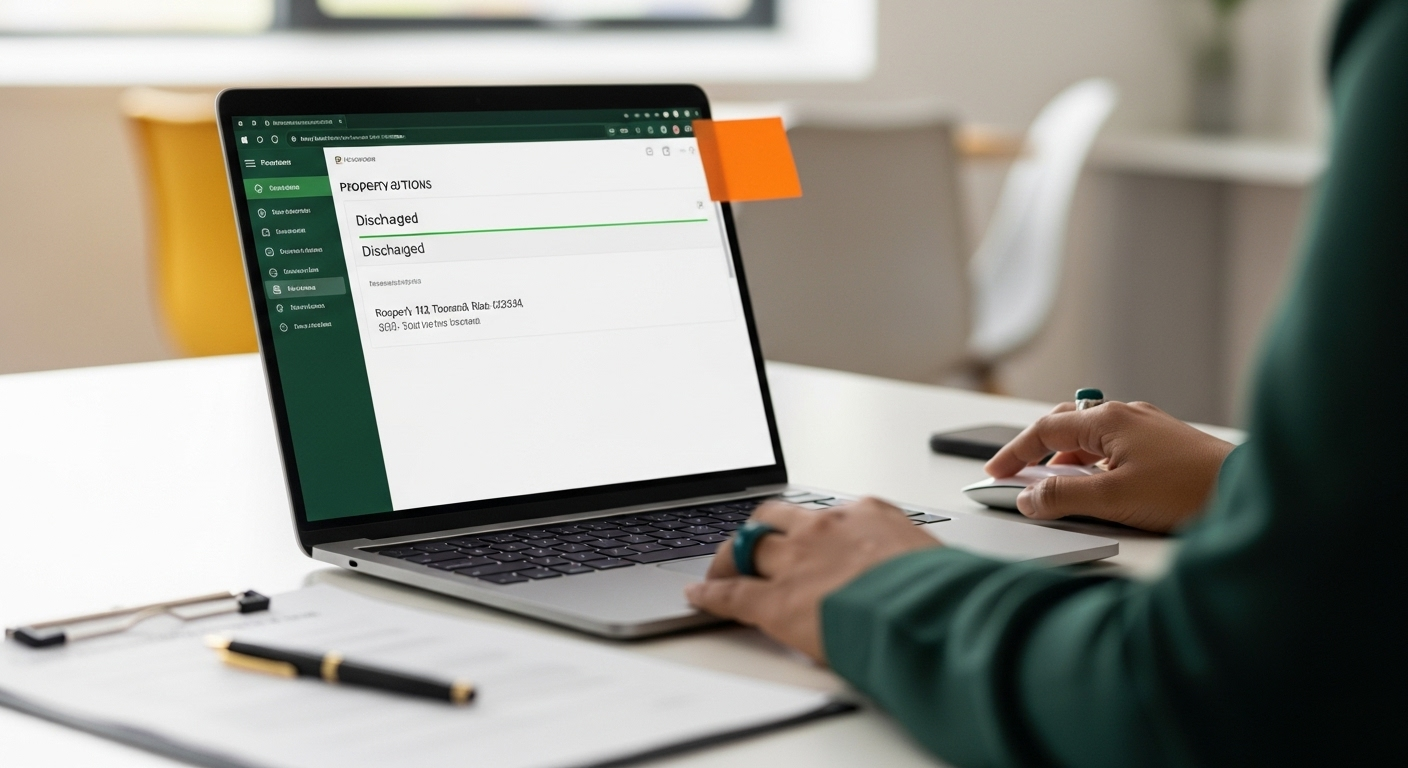
- Electronic Documentation: Gone are the days of paper documents. The bank prepares an electronic discharge instrument. This is all managed through the Land Information New Zealand (LINZ) e-dealing system.
- Payment and Settlement: On the agreed-upon date, funds are paid to the bank to repay the loan in full. For a sale, this comes from the buyer's payment. For a refinance, it comes from the new lender.
- Registration: As soon as the bank confirms they have their money, they release the discharge. We then submit the discharge instrument to LINZ for registration. The Registrar updates the record, and the mortgage is officially removed from your title.
How Much Does It Cost to Discharge a Mortgage in NZ?
The total cost to discharge a mortgage is made up of a few different parts: your bank’s fee, the LINZ registration fee, and your lawyer’s professional fee for managing the entire process.
Some banks in New Zealand charge a fixed fee to process their side of the discharge, which can vary. At ConveyOnline, we believe in transparent pricing with no surprises. For instance, our "Refinance Property" service, which includes discharging your old mortgage, starts from $1,249 (inclusive of GST and standard disbursements). We also clearly list any additional fees for more complex situations, such as if a Trust is involved (+$200), or the property has an EQC claim (+$150). We want our clients to have a full picture of the cost from the start.
How Long Does It Take to Discharge a Mortgage in NZ?
The timeframe really depends on the situation. For a property sale or refinance, everything is timed to happen on a specific settlement date. The background work starts a couple of weeks before, but the actual discharge is registered on that day.
If you've simply paid off your loan and want to clear the title, it typically takes between two to four weeks. The main factor influencing the timeline is how quickly your bank responds to our requests for the discharge authority. We are proactive in chasing this up to get it done as quickly as possible for our clients.
Can I Discharge My Mortgage Myself in NZ?
In practice, the answer is no. While it's technically possible for an individual to handle their own conveyancing, the mortgage discharge process is now conducted almost exclusively through the Landonline e-dealing platform. This system is restricted to registered users like lawyers and licensed conveyancers.
Furthermore, your bank will almost always require a solicitor to provide legal undertakings to ensure the loan is repaid correctly before the mortgage is removed. It’s a measure to protect all parties and ensure the Property Law Act 2007 is followed correctly.
Completing a mortgage discharge is the final step to unlocking the full value of your property journey. It's a formal legal process, but it doesn't have to be a difficult one.
If you're selling, refinancing, or have made that incredible final mortgage payment, our expert team is here to make the final step as simple and affordable as possible. Get in touch to see how we can help.
_Disclaimer: The information provided in this article is for general informational purposes only. It does not constitute legal or financial advice. We recommend you seek professional advice from a qualified lawyer or financial advisor for your specific situation._